Last reviewed:
On this page
How selling gold works, start to finish
Selling gold with us takes one visit, and most sales take just a few minutes, depending on how much you bring. Here is what happens at the counter:
- Bring your gold and a photo ID. Jewelry, coins, bars, and broken pieces are all welcome. You don't need to clean or sort anything.
- We test it in front of you. An XRF analyzer measures each item's purity, on camera, in a secure setting. You watch the reading.
- We weigh it on a calibrated scale that sits on the counter, not in a back room.
- We show you the math. The offer comes from the live spot price, the tested purity, and the weight, and we explain every number out loud.
- You decide. Accept and you're paid by check before you leave. Decline and everything goes back in your bag. The appraisal is free either way.
How we calculate what your gold is worth
Three numbers set the price of gold: the spot price, the purity, and the weight. A fair buyer shows you all three.
- Spot price is what one troy ounce (31.1 grams) of pure gold trades for on the world market right now. It moves throughout the day, so your offer uses the spot price at the time of your visit, not a rate printed weeks ago.
- Purity is how much of your item is actually gold. Jewelry is an alloy: 10K is 41.7% gold, 14K is 58.3%, 18K is 75%, and 24K is 99.9%. Our full karat chart covers every karat from 8K to 24K.
- Weight is measured in grams on a calibrated scale.
(spot price per troy ounce ÷ 31.1) × purity × weight in grams = melt value
Melt value is what the pure gold inside your item is worth. Our offer is based on that figure, at a rate that varies by item, and you see the numbers before you decide. On recognized gold bullion bars and rounds, we pay 90% of the live gold spot price.
A worked example (hypothetical numbers)
The table works out the pure gold content first. That part never changes. To turn it into dollars, multiply by the price of one gram of pure gold on the day you sell.
| Item | Weight | Purity | Pure gold inside |
|---|---|---|---|
| 14K chain | 20 g | 58.3% | 11.66 g |
| 18K ring | 6 g | 75.0% | 4.50 g |
| 10K class ring | 12 g | 41.7% | 5.00 g |
For illustration only: if pure gold were $100 per gram (a round number picked for easy math, not a price quote), the chain would hold $1,166 of gold, the ring $450, and the class ring about $500. The lighter 18K ring is worth almost as much as the heavier 10K class ring. Purity matters as much as weight, which is why we test instead of guessing.
Bullion is simpler. A recognized 1 oz bar of .9999 gold brings 90% of the spot price for one troy ounce, which is $90 for every $100 of spot.
Can I sell gold at spot price?
This is one of the most-searched questions about selling gold, so here is a straight answer. Spot is the price of pure gold in large wholesale trades. A buyer who has to refine jewelry or resell bars needs a margin to stay in business, so offers come in below the full spot figure. What you should look for is a buyer who explains plainly how the offer was reached. On recognized gold bullion bars and rounds, ours is 90% of spot. On jewelry and scrap and broken pieces, the rate varies by item: the offer is based on spot, purity, and weight, and we explain it before you decide.
How your gold is tested, in front of you
Karat stamps get worn down, misread, and sometimes faked, so we never price from the stamp alone. Every gold item is tested with an XRF analyzer, the same technology refineries use. It reads the metal's makeup without cutting or scratching the piece. Where it helps, we also use acid and electronic testing. All of it happens on camera, in a secure setting, with the reading in front of you.
Next, the item goes on a calibrated scale you can see. If any buyer takes your gold out of sight to test or weigh it, treat that as a red flag. With us, your gold stays with you until you accept an offer.
What affects your offer
- Karat. Higher purity means more gold per gram.
- Gold weight. More grams of gold means a higher offer, weighed on a scale you can see.
- Large stones. If a piece has large stones, we deduct their estimated weight from the metal weight. If you accept the offer, we remove the stones and give them back to you.
- The spot price that day. Gold moves daily, and your offer reflects the market when you visit.
- The form your gold is in. Recognized gold bars, rounds, and standard bullion coins bring 90% of spot. Gold coins can be worth more than melt if they're rare, proof, or graded.
- Brand and stones. Signed designer pieces and certified diamonds of 1.5 carats and above are valued for more than their metal.
What doesn't lower your offer: scratches, dents, broken clasps, and knots. Plain gold is paid on its gold content in any condition, so there's no need to polish or repair anything first.
Every form of gold, from jewelry to bullion
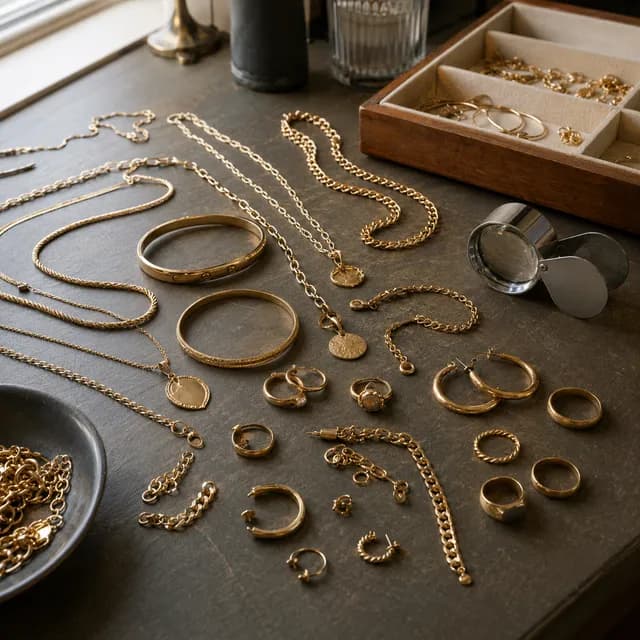
- Gold jewelry in every karat, 8K through 24K, from any country, whether you still wear it or not.
- Scrap and broken gold: snapped chains, single earrings, bent rings.
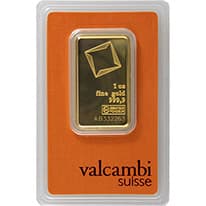
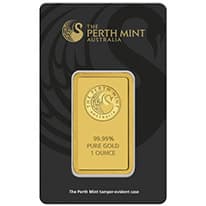
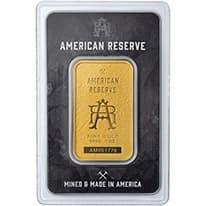
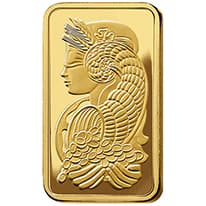
- Gold bars and rounds from PAMP Suisse, Credit Suisse, Valcambi, Perth Mint, and any other recognized mint or brand, from 1 oz up to 10 oz and kilo bars.
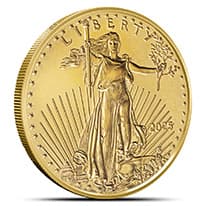
- Coins: American Gold Eagles and Buffalos, Krugerrands, Maple Leafs, pre-1933 US gold, and foreign gold.
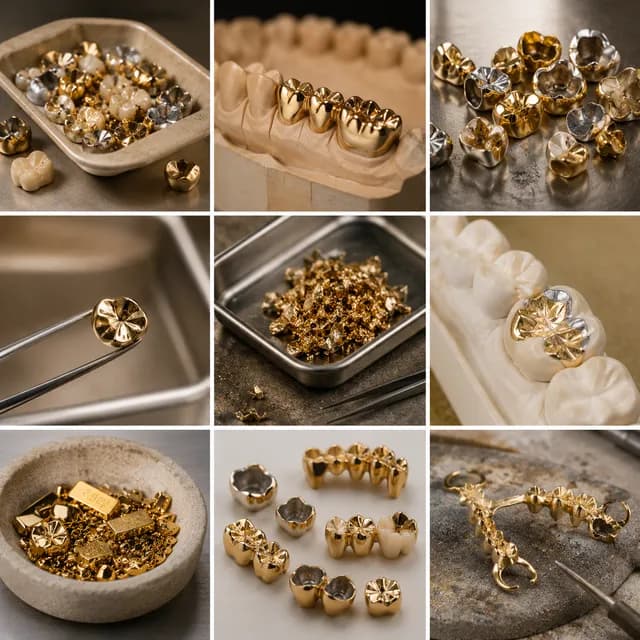
- Dental gold: crowns, bridges, and inlays, with or without tooth attached.
- Gold filled and plated: plated items carry too little gold to buy. We aren't currently buying individual gold filled items, but bulk lots of 5 lbs or more can be reviewed by arrangement. Those are paid after refining, not the same day.
Have silver too? You can sell silver at the same visit.
Where to sell gold: local buyer, mail-in, or pawn shop?
| Option | When you're paid | Who holds your gold while you decide | Best for |
|---|---|---|---|
| Local gold buyer (us) | Same visit, if you accept | You do | Jewelry, scrap, coins, bullion |
| Mail-in service | After they receive and assess it | They do. You ship first. | Sellers with no local option |
| Pawn shop | A pawn is a loan, not a sale | The shop, until you repay | Short-term borrowing |
| Auction or consignment | After the item sells, minus commission | The auction house | Rare signed or antique pieces |
We're not a pawn shop. We don't make loans, and there's no ticket to redeem. We buy outright and pay you the same visit. And unlike a mail-in service, you never ship your gold to a stranger and wait for a number. You see the test, the scale, and the math, and you leave with either your money or your gold.
What to bring
- A valid government-issued photo ID. Virginia requires it for precious-metals purchases, and sellers must be 18 or older.
- All your gold, broken pieces included. Don't pre-sort what you think is worthless.
- Any paperwork for coins, designer pieces, or certified diamonds. Boxes, certificates, and receipts can raise those offers.
- Nothing else. No prior appraisal and no cleaning needed.
You're paid by check on the spot, drawn on a local bank so you can cash it the same day. There's no upper limit, so a large estate or a stack of bars is paid the same visit as a single ring.
Which store to visit
All four of our stores buy gold the same way.
Chantilly, Annandale, and Manassas take walk-ins during store hours. Vienna / Tysons is currently by appointment, so call (703) 889-0532 before you go.
Handy from Fairfax, Herndon, South Riding, Centreville.
Walk-ins welcome
Handy from Alexandria, Falls Church, Springfield, Bailey's Crossroads, Lincolnia.
Walk-ins welcome
Handy from Bristow, Gainesville, Centreville, Woodbridge.
Walk-ins welcome
Handy from McLean, Tysons, Oakton, Falls Church.
By appointment
Each store page lists the address, the phone number, opening hours or appointment details, and the store's Virginia precious metals dealer permit number.
Cash for Gold VA has been in business since 2008, holds a BBB A+ rating, and is rated 4.9★ across 500+ Google reviews (opens in a new tab). Read the reviews before you visit.