Open any finance app and you will see a single figure for the gold price today. It updates every few seconds, jumps on news, and is quoted per troy ounce. What that figure does not tell you is the one thing you actually want to know: what your specific ring, chain, or coin is worth right now.
We weigh and test gold across our four Northern Virginia stores every day, and the most common question we hear is some version of "the price is $X, so why is my offer different?" The short answer is that the headline price is for one troy ounce of pure gold, and almost nothing in your jewelry box is pure or weighs exactly an ounce. This guide shows you how to read the daily price and translate it into a realistic number before you ever walk in.
What "the gold price today" actually measures
The price you see quoted is the spot price: the cost of one troy ounce of 24-karat (99.9% pure) gold for immediate delivery on the global market. A few things follow from that definition:
- It is per troy ounce, which is 31.1 grams, not the standard 28.35-gram ounce.
- It is for pure gold. Your 14k chain is only 58.3% gold by weight, so it is worth a little over half the spot price per gram.
- It changes constantly during market hours as traders react to interest rates, the dollar, and global demand.
So when a headline says gold is up, that is true for a pure ounce traded between banks. Your payout moves in the same direction, but it starts from your item's actual purity and weight.
From spot price to your payout, step by step
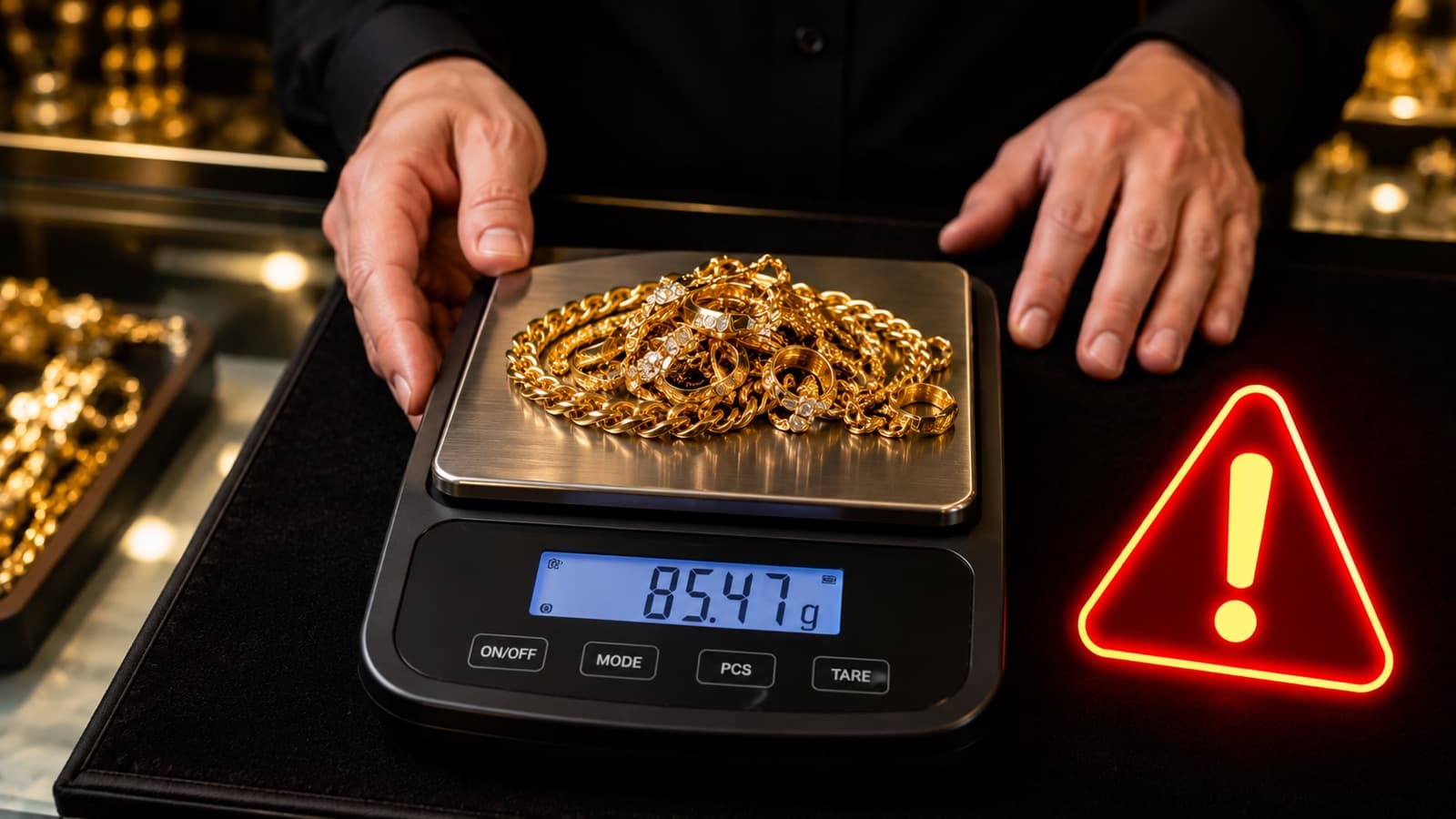
Every honest offer is built from the same simple math. Here is the method we use in store, in the open, on a calibrated scale:
- Weigh the item in grams.
- Find the spot price per gram. Divide the per-ounce spot price by 31.1.
- Adjust for purity (karat). Multiply by the gold fraction for that karat.
- Apply the buyer's rate. Jewelry and scrap are paid at a rate that varies by item, because scrap has to be melted and assayed before it re-enters the market; a fair buyer explains it before you decide.
The purity fractions you need:
| Karat | Gold content | Stamp you may see |
|---|---|---|
| 24k | 99.9% | 999 |
| 18k | 75.0% | 750 |
| 14k | 58.3% | 585 |
| 10k | 41.7% | 417 |
A worked example. Say pure gold were $100 per gram (a round number for easy math, not today's price). For a 14k chain weighing 20 grams:
$100 per gram × 0.583 (14k purity) × 20 grams = $1,166 in pure-gold value, before the buyer's rate.
The same 20-gram chain in 10k would hold $834 in gold value, because it holds less gold. This is why two chains that look identical can be worth very different amounts: karat and weight drive everything.
You can run this math at your kitchen table: the live spot price is shown at the top of every page on our site. For an exact number, bring your pieces in for a free appraisal, tested and weighed in front of you.
What moves the gold price
You do not need to be an economist to understand why the number changes. A handful of forces drive it, and they interact daily:
- Interest rates. When rates fall, gold tends to rise, because holding non-yielding gold costs less relative to bonds or savings.
- The U.S. dollar. Gold is priced in dollars, so a weaker dollar usually pushes the price up.
- Inflation and uncertainty. In times of economic or geopolitical stress, buyers move toward gold as a store of value, lifting demand.
- Central bank buying. Sustained purchases by the world's central banks add steady, long-term demand.
These forces are also why gold has climbed to levels that would have seemed extraordinary a few years ago, and why no one can predict the exact path from here. For a seller, the takeaway is simple: a strong market means a higher payout for the same item today, but chasing the precise peak rarely pays off on everyday jewelry.
Different holdings respond differently, too. Scrap and jewelry gold move directly with the spot price; recognized bullion coins move with spot too, at a higher share of it; designer and antique pieces carry value beyond the metal, so a rising spot price is only part of their story.
Should you wait for a better price?
This is the honest part. Day-to-day gold moves are usually small, often well under one percent. On a typical piece of jewelry, waiting a few days for a slightly higher quote might change your payout by a few dollars, not a few hundred. Trying to time the exact top is something even professional traders rarely get right.
What matters far more than the perfect day is:
- Selling at a fair share of spot. A trustworthy buyer pays a transparent percentage of the live value, not a flat lowball.
- Knowing your karat and weight before you go, so you can sanity-check any offer.
- Avoiding mail-in services that quote you after your gold has already left your hands.
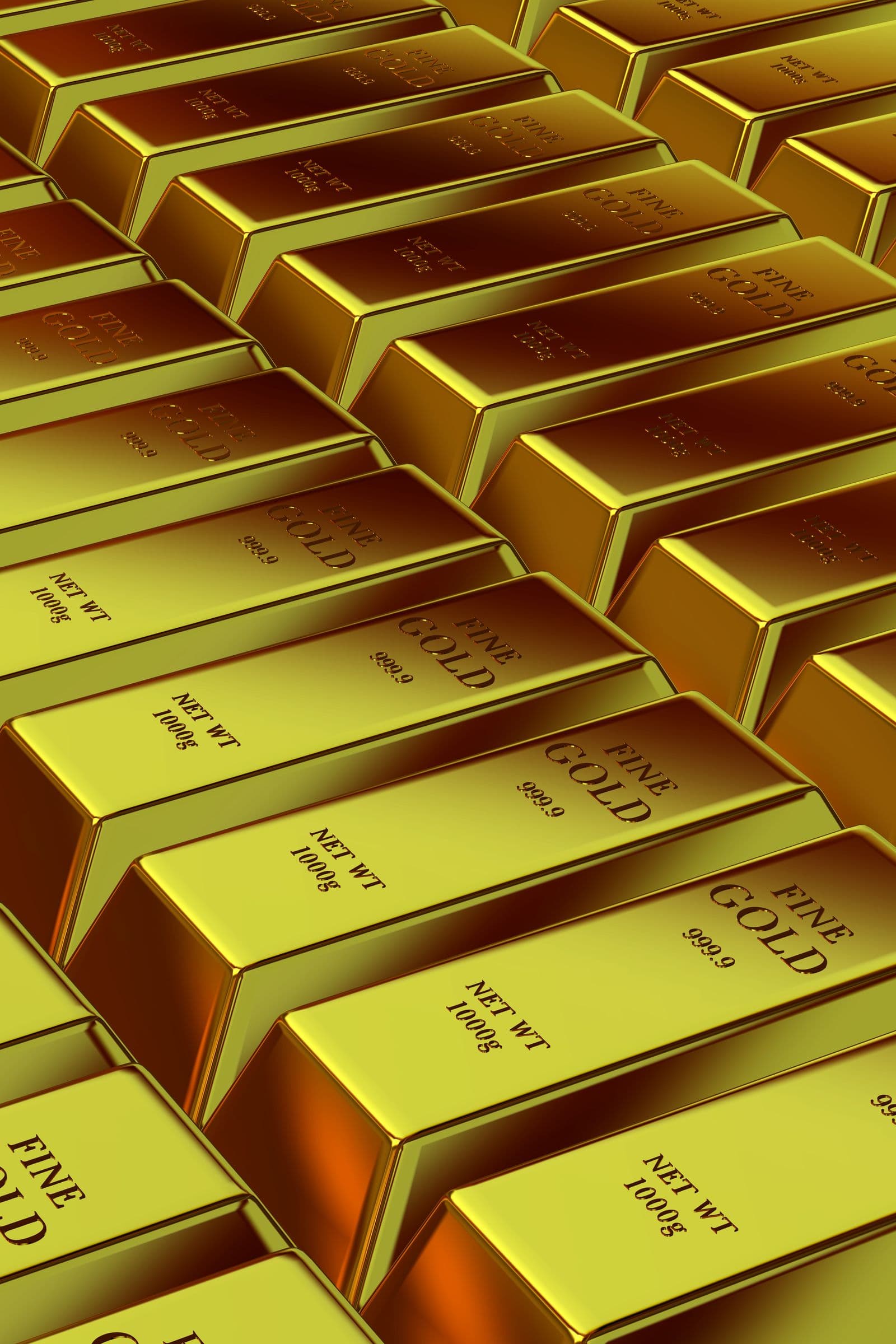
If you are holding investment-grade bullion or recognized coins rather than scrap jewelry, the calculation is different. Standard gold bullion coins like the American Gold Eagle bring 90% of the live spot price, and proof or key-date coins are appraised for any collector premium, so timing and buyer choice matter more there.
How we set offers in Northern Virginia
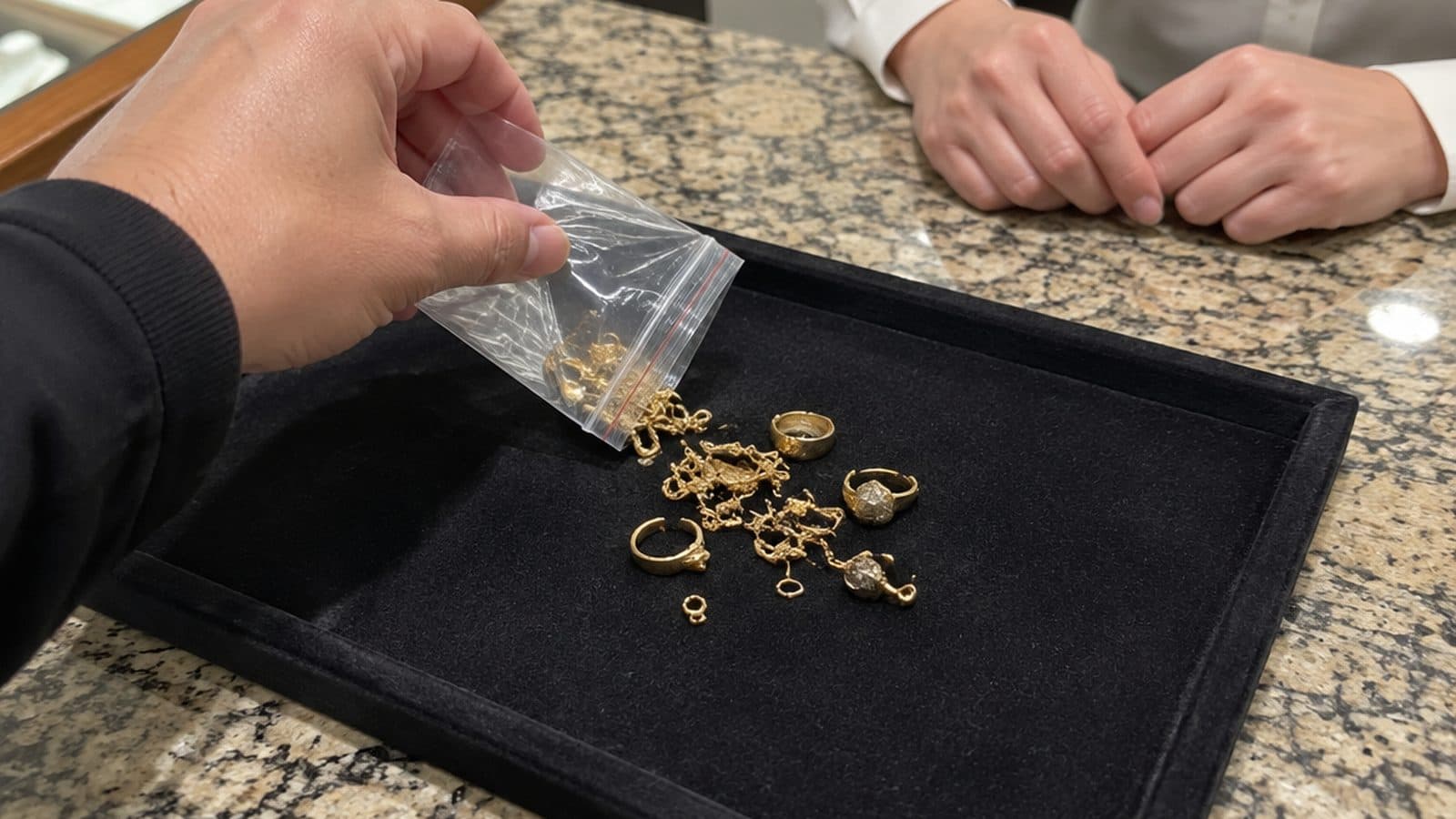
At Cash for Gold VA, every offer starts from the live spot price on the day you visit. We test purity in front of you, confirm weight on a calibrated scale, and explain the number out loud before you decide. There is never any obligation to sell, and our offers are always a range tied to the real market, never a single take-it-or-leave-it figure.
That transparency is why we hold a 4.9-star rating across 500+ Google reviews. You can bring your items to any of our four locations:
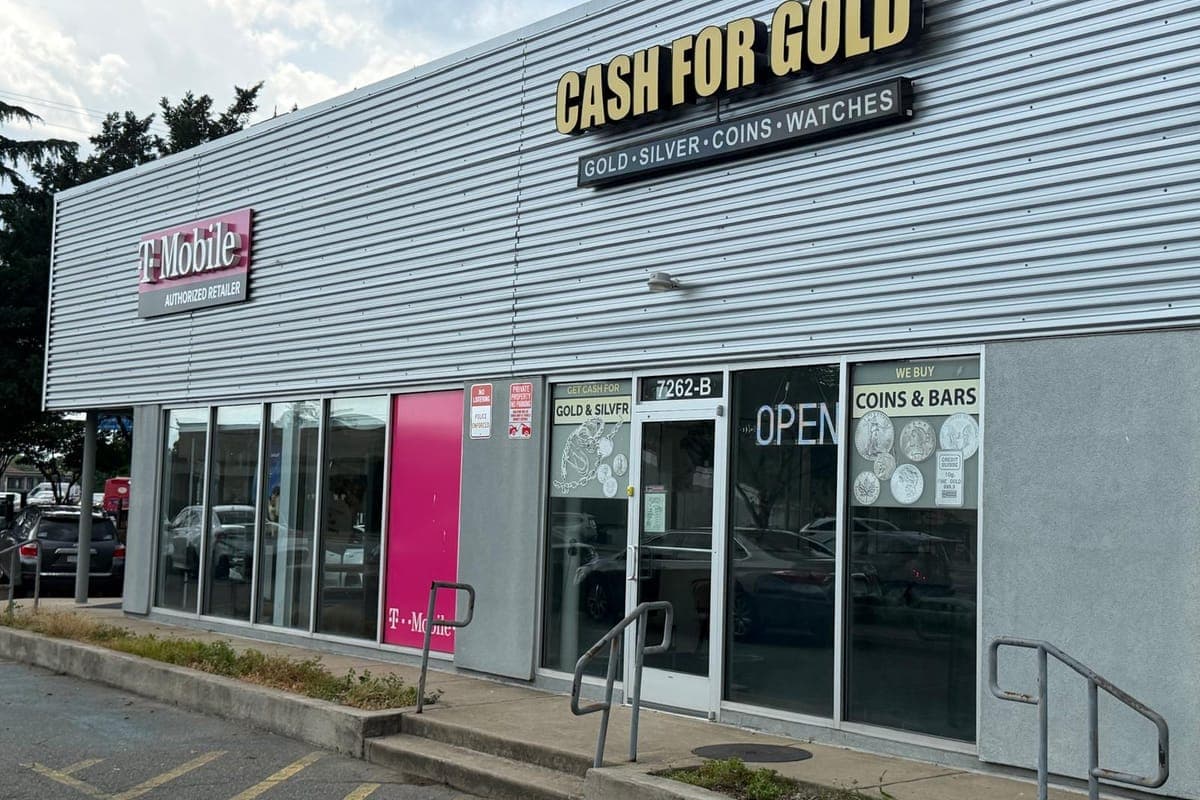
- Annandale: 7262 Columbia Pike
- Manassas: 9013 Centreville Rd
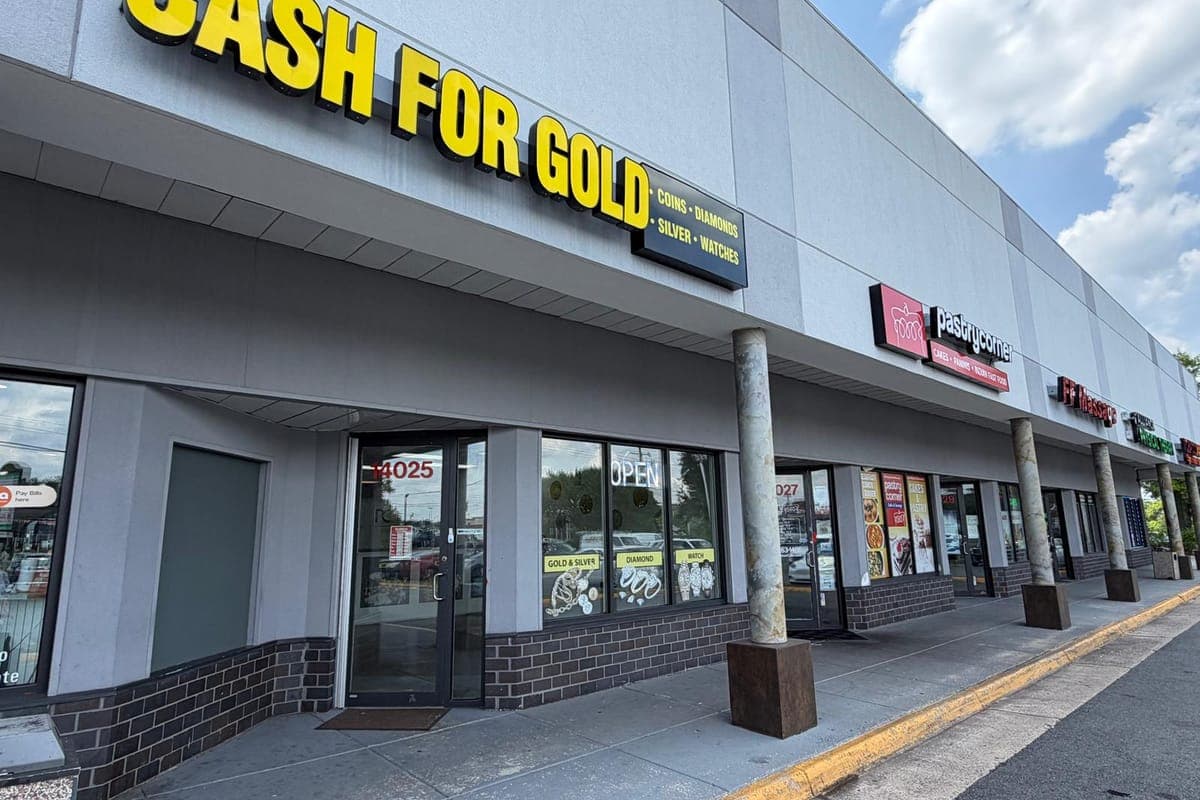
- Chantilly: 14025 US-50
- Vienna / Tysons: 8605 Westwood Center Dr #120 (by appointment only, call (703) 889-0532)
Frequently asked questions
What is the gold price today, and where can I check it? The live spot price is shown at the top of every page on our site. It reflects the global market for one troy ounce of pure gold and refreshes continuously during trading hours.
How much is 1 gram of gold worth today? Divide the per-ounce spot price by 31.1 to get the pure-gold price per gram, then multiply by your item's purity. For 14k gold, that is roughly 58% of the pure price per gram.
Will the gold price go up or down? No one can predict short-term moves reliably. Gold tends to rise when interest rates fall, the dollar weakens, or global uncertainty climbs, but day-to-day changes are usually small. For most jewelry sellers, the difference between today and next week is minor.
Does a higher spot price mean a higher offer? Yes. Because every offer is built from the live spot price, a higher market price means a higher payout for the same item, all else equal.
Want to know what your specific pieces are worth at today's price? See what we buy or visit a store for a free, no-obligation appraisal.