When people hear a buyer pays 90% for gold coins, the natural question is how that is possible when scrap jewelry typically pays less. The answer is not a gimmick; it comes down to how easy a coin is to verify and resell. This guide explains the math behind the percentage so you can judge any offer for yourself.
We buy gold coins across Northern Virginia every week, and we believe the percentage you are paid should never be a mystery. Here is exactly what drives it.
Why coins pay a higher percentage than scrap
Every gold offer is a share of the metal's live market value. How large that share is depends mostly on what the buyer has to do before the gold can re-enter the market:
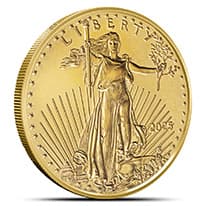
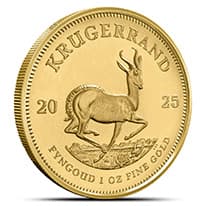
- Recognized bullion coins like American Gold Eagles, Maple Leafs, and Krugerrands are standardized, stamped, and instantly verifiable. They can be resold as-is, so there is little cost between buying and reselling. That is why they bring a higher share of spot: we pay 90% of spot on standard gold bullion coins.
- Scrap gold jewelry has to be melted, refined, and re-assayed before it returns to the market. Those refining costs are real, so scrap is paid at a rate that varies by item, explained before you decide.
In other words, the higher percentage on coins is not generosity, it is economics: less work between purchase and resale means more of the value can go to you.
How the percentage is calculated
Start with the melt value: the coin's pure gold content multiplied by the live spot price per gram (spot per ounce divided by 31.1). A fair buyer then pays a transparent percentage of that value, adding a premium for proof or collectible coins where it applies. You can estimate the melt value of any coin yourself with that formula.
A worked example with a round, hypothetical number (chosen for easy math, not a real price): if spot were $1,000 per troy ounce, a 1 oz gold bullion coin would hold about $1,000 in melt value, and at 90% the offer could reach $900 before any collectible premium. Because the coin is recognized and easy to resell, that high share is realistic in a way it would not be for an equal weight of mixed scrap.
What can change the number
- Coin type and recognition. Widely traded bullion coins command the highest percentages.
- Condition and authenticity. Coins are tested and verified; damaged or questionable pieces may be valued as scrap gold rather than as bullion coins.
- Collectible premium. Proof, graded, or key-date coins can be worth more than melt. Bring any certificates.
Which coins bring the highest share of spot
As a rough guide, the more recognized and liquid the coin, the higher the share of melt you can expect:
| Coin type | Recognition | Typical payout basis |
|---|---|---|
| American Gold Eagle, Maple Leaf, Krugerrand | Instantly recognized worldwide | 90% of spot; proof/graded coins can earn a premium |
| Generic gold bars and rounds | Recognized, must verify | 90% of spot |
| Pre-1933 U.S. gold ($5 / $10 / $20) | Metal plus collectible value | Higher of melt or numismatic |
| Scrap and broken gold jewelry | Must be refined | Variable rate, explained before you decide |
The one mistake to avoid is selling a coin that has collectible value for melt alone. A pre-1933 Double Eagle or a proof coin can be worth well above its gold content, so always have coins that might be rare appraised as coins, not weighed as metal.
Our promise on transparency
At Cash for Gold VA, we test and verify every coin in front of you, tie the offer to the live spot price, and explain the percentage out loud before you decide. There is no obligation and no fee to get an appraisal. That openness is why we hold a 4.9-star rating across 500+ reviews.
Frequently asked questions
Why do gold coins pay a higher percentage than scrap gold? Recognized bullion coins are easy to verify and resell as-is, while scrap must be melted and refined first. Lower processing cost means a higher share of the value goes to you.
How do I know the percentage is fair? Estimate the melt value with the formula above, then compare it to the offer. A trustworthy buyer will explain the percentage and tie it to the live spot price.
Do you pay extra for proof or collectible coins? Yes. Where a coin carries a collectible premium above its metal value, that is appraised on top of the melt value.
Want to know what your gold coins are worth? See how we buy gold coins or visit a store for a free, no-obligation appraisal.